
OpenAI Academy
Article
August 5, 2026

How Dr. Rebecca Soskin Hicks is helping patients navigate care between visits
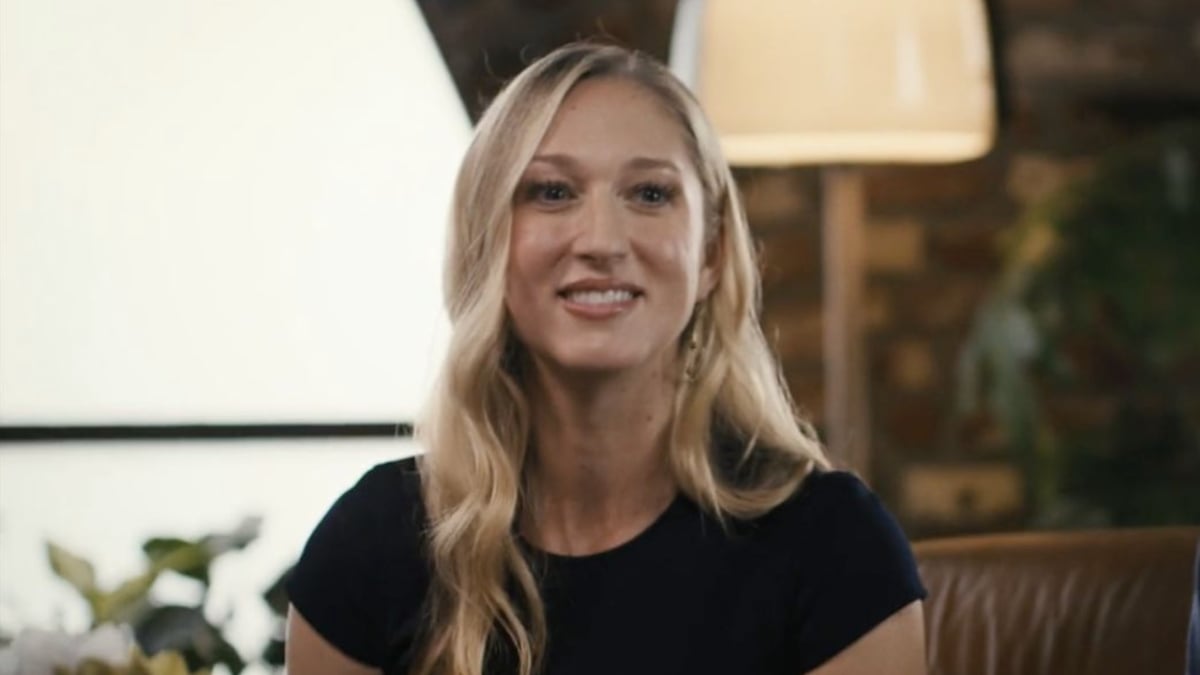
How Dr. Rebecca Soskin Hicks is helping patients navigate care between visits
# ChatGPT
# Industry & Community
# Health
# Use Cases

A pediatrician and global physician network leader is shaping AI tools that help patients understand their medical information and prepare for their next appointment.

How Dr. Rebecca Soskin Hicks is helping patients navigate care between visits
A lab result gets emailed at 8 p.m. A child starts feeling pain over the weekend. Someone leaves their doctor’s appointment and realizes they didn’t understand what was said. Healthcare doesn’t stop when an appointment ends. For Rebecca Soskin Hicks, MD, a pediatrician and OpenAI’s Global Physician Network Lead, some of the most important health questions that patients need answered come up between visits. For years in clinical practice, Rebecca deeply appreciated getting to know her patients and their families. Over time, she learned not just the diagnosis in front of her, but also what had happened before, which medications they’d tried, what they were worried about, and what barriers they faced to getting better. That context changes even seemingly simple questions. When a patient asks if they should be worried about a lab result, the headline number is only one piece of the answer. The context is crucial: Why was the test ordered? What did earlier results show? What symptoms, medical conditions, or medications change the picture? People already bring important health questions to ChatGPT. With the new ChatGPT Health, they can include their medical records and other health information in those conversations. Instead of offering generic advice for the median patient with the same symptom or lab value, ChatGPT can help people understand their very own records, organize information from different doctors, and prepare for their next appointment. In testing with records from multiple institutions, ChatGPT has surfaced real contraindications and important treatment interactions: connections clinicians could miss when no one has access to the complete medical history. In a Penda Health study Rebecca coauthored, an AI clinician copilot flagged an overlooked anemia during a tonsillitis visit. Across 39,849 visits at 15 Nairobi clinics, diagnostic errors fell 16% and treatment errors 13%, showing the promise of AI to improve care based on increased contextual knowledge. Rebecca’s goal is to make the time between visits more understandable, and the time with a clinician more productive. A patient who knows which details matter and arrives with the right questions can get more from a limited appointment. Behind Rebecca’s work is a global network of hundreds of physicians across 60 countries, 49 languages, and 26 specialties. Together, they have reviewed more than 700,000 health responses. They do more than check medical accuracy. Their clinical judgment helps define what “good” should look like: recognizing urgency, asking for missing context, communicating uncertainty, and helping someone understand the next step. “I don’t think technology replaces the value of a clinician who knows you,” Rebecca says. “But I do think understanding more of a person’s context can make technology dramatically more useful in all of the hours when their doctor isn’t sitting beside them.”  https://lnkd.in/erryFG-N 
Dive in

Related

Blog
Beating the paperwork that stands between patients and care
Jan 7th, 2026 Views 2.9K
Terms of Use
Your Privacy Choices