
OpenAI Academy
Article
May 8, 2026

How ChatGPT Built a Contractor’s Back Office
How ChatGPT Built a Contractor’s Back Office
# Small Business

Morgan Sterling uses ChatGPT to win more local leads, process subcontractor invoices, and save hours of paperwork each week.

How ChatGPT Built a Contractor’s Back Office
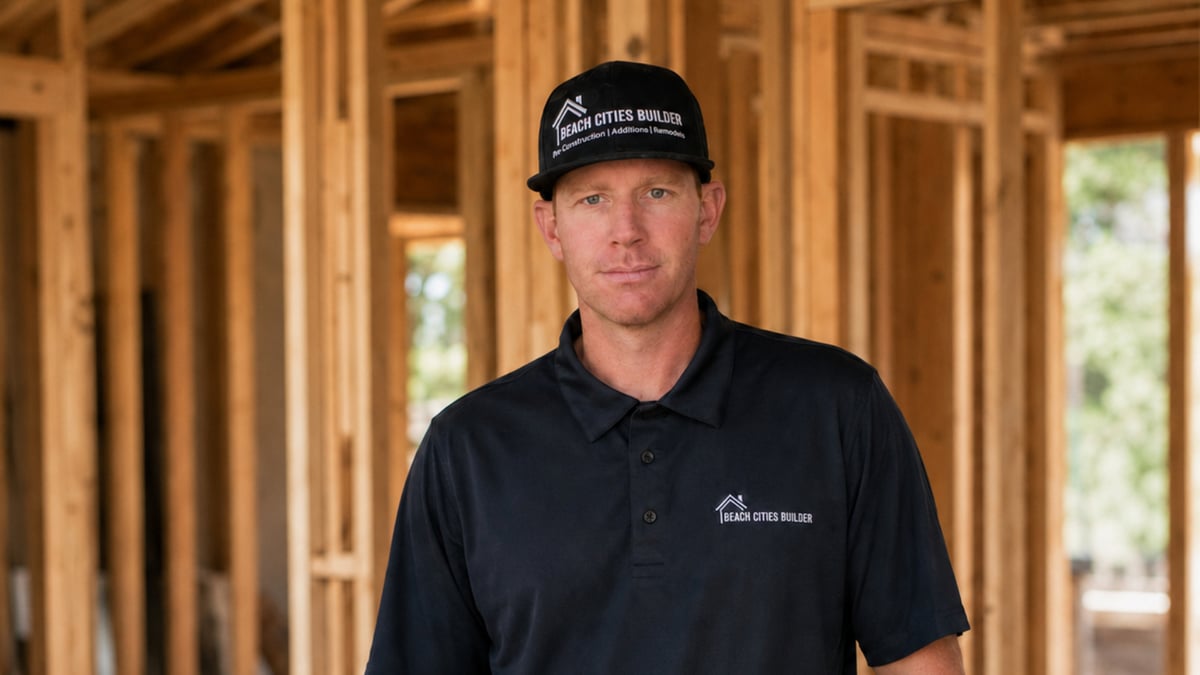
Builder Morgan Sterling is one of the millions of American entrepreneurs who use ChatGPT to help with their businesses. In particular, Morgan uses it to turn subcontractor invoices into line items for his books. He runs a general contracting firm in Hermosa Beach (Beach Cities Builder) that serves the beach cities of Southern California. His business does new construction, additions, and remodels, and it runs on trust: knowing the building departments, having long-term relationships with architecture firms, and giving clients transparent proposals that show the subcontractor costs behind his markup. Morgan started using ChatGPT to bring in more work. He used it to rebuild SEO pages for his website, write metadata, check keywords, and compare his site against searches like “remodels Redondo Beach.” Slowly, he saw his rankings rise, and he now estimates inbound contacts are up about 25%, which translates to an additional six figures in gross revenue per year. Then he turned to his paperwork. Across roughly 30 active job folders, Morgan gets several subcontractor invoices a day. He used to process them by opening an invoice, identifying the project, entering the subcontractor, invoice number, amount due, and payment details into Zoho Books, then filing the document in the right Google Drive folder. After a friend said he might be able to automate it, he asked ChatGPT and ended up building a script that hooked up to his email: it puts every invoice in one folder, reads it, identifies the job, and moves it to the right place. The first version took about two hours to build, and Morgan says the workflow is now effectively 100% accurate. That work now saves him roughly 5-6 hours a week, almost a full workweek each month, which he uses to grow the business. He has built smaller tools the same way. Because he checks his calendar more than the weather, he wrote a script that adds any forecast with more than a 40% chance of rain over the next seven days to his calendar. That gives him time to cover an open roof before his wife has to warn him that tomorrow it’s going to rain. Morgan is among the 4 million-plus Americans who use ChatGPT to help plan, start, or run a business, according to a new OpenAI Economic Research report. Now he wants to use Codex to build a photo sorter for job sites. His phone gallery is a mix of job-site photos, dogs, vacation pictures, broken pipes, and lumber that needs to go somewhere. Since the photos are geotagged, he wants an app that can sort them by job and drop them into the right Google Drive folder, where subcontractors already find plans, appliance specs, and other shared materials through QR codes posted on site. Morgan brings in 10 to 15 subcontractors on a typical job. When ChatGPT saves him hours of paperwork, “I can find more work,” he says. And when he finds more work, his subcontractors grow their business, too.
Dive in

Related

Blog
How one general counsel uses ChatGPT to juggle tasks
Mar 23rd, 2026 Views 603
Resource
ChatGPT for sales
Jul 21st, 2025 Views 234.9K
External Content
ChatGPT and Beyond: How to Handle AI in Schools
Mar 11th, 2025 Views 3.9K
External Content
ChatGPT and Beyond: How to Handle AI in Schools
Mar 11th, 2025 Views 3.9K
Resource
ChatGPT for sales
Jul 21st, 2025 Views 234.9K
Terms of Service