From decades without answers to a diagnosis in weeks
# Industry & Community
# ChatGPT
# Awareness
# Personal
Probably Genetic uses OpenAI-powered intake to unlock free testing for rare disease families
Probably Genetic, whose chatbot is powered by OpenAI models, funds free at-home genetic testing and counseling for families like that of Betsy Minium.
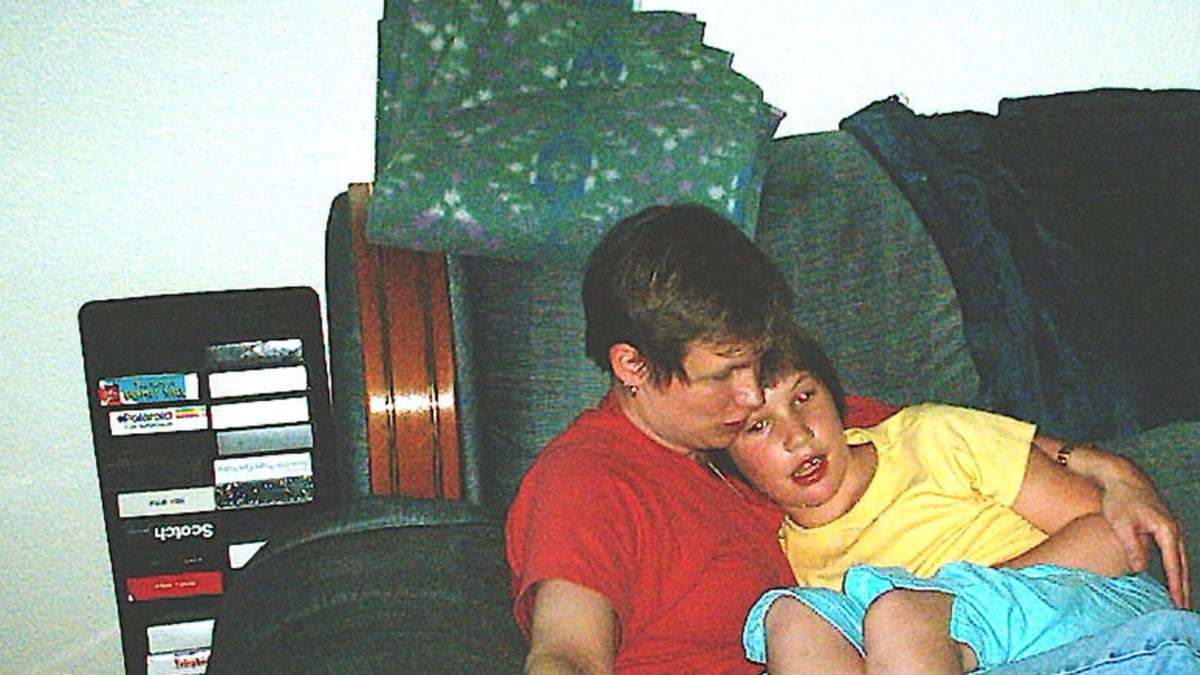
When Betsy's daughter Kali was an infant, she watched the milestones arrive—then stall. Kali smiled and rolled over, then her development slowed. An assessment came back when Kali was about a year old: her developmental age was three months. “When we got the news, I was standing in the doctor’s office holding Kali, and then I blacked out, and then I was sitting on the floor holding Kali, and I have no idea what happened in between,” Betsy said.
That moment began a 31-year diagnostic odyssey. The presumed diagnosis was Angelman syndrome, but Kali tested negative. Over time, Kali picked up an educational label of autism, but tested out later, leaving her with “syndrome, not otherwise specified.” Betsy describes living with that uncertainty. “What do you search on,” she remembers asking, “in order to find other people, or prognosis, or just information?”
Pitt-Hopkins syndrome, Kali’s eventual diagnosis, is a rare neurodevelopmental disorder caused by loss of function in one copy of the TCF4 gene, crucial for nervous system development. It combines global developmental delay, intellectual disability, breathing problems, seizures, sensory sensitivities, and a joyful, excitable demeanor. It belongs to a large grouping of rare genetic diseases. Together, more than 10,000 rare conditions affect ~400 million people worldwide, most without approved treatments and many facing long, expensive searches for a name.
For families like Betsy’s with undiagnosed rare genetic diseases, Probably Genetic works with patient organizations and biopharma companies, to fund free, at-home genetic counseling and testing programs, then uses an online funnel and AI-driven symptom intake to find undiagnosed patients, structure their clinical features, and prioritize those where genetic testing may help. Its patient-facing intake chatbot uses one of OpenAI’s API-accessible models to read long, free-form symptom narratives and convert them into structured phenotype data and possible diagnoses. Those who qualify receive test kits, speak with genetic counselors who explain the results, and are connected with other resources, while Probably Genetic’s partners get de-identified data to advance research and development as well as patient support.
Betsy discovered Probably Genetic through the Pitt Hopkins Research Foundation website, offering free diagnostic testing for rare disorders. From first contact to confirmed diagnosis took just over a month, ending three decades of uncertainty in late October this year. “It changes nothing, but it changes everything,” she said. “To have a name for the monster under the bed” finally gave definition to a force that changed the course of her family’s life. For her, getting a clear answer from modern genetics and AI-based tools delivered a hard-won clarity.