
Article
January 22, 2026
Practicing medicine where doctors are scarce
# Industry & Community
# ChatGPT
# Awareness
# Personal
How a rural family physician uses AI to reclaim time and improve care
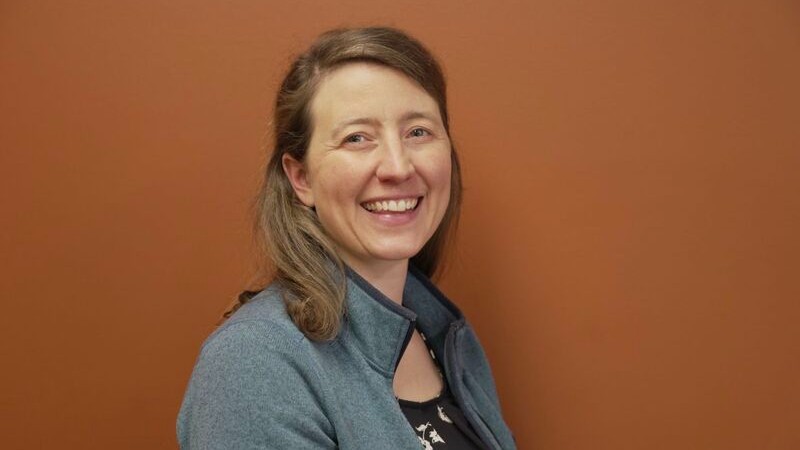
In Miles City, Montana (pop. 8,400), family physician Dr. Marjorie Albers practices the kind of wide-scope medicine rural America still depends on, and she uses AI tools to make her workload sustainable.
In communities like Miles City, a small number of clinicians carry heavy loads and serve wide areas. “People drive two hours to get to deliver their babies, which is crazy,” she says. Albers chose her community precisely because of that need. As she finished residency, many towns tried to narrow her role. Miles City did the opposite, offering the chance to practice full-range family medicine, deliver babies, and work where doctors were most scarce. She was also drawn by mentors such as Dr. Casey Gardner and Dr. Sue Gallo, a veteran physician who has delivered more than a thousand babies and set the standard for what rural medicine can be when it is done well.
To reduce her workload, Albers relies on an AI tool powered by OpenAI models: Oracle Clinical Assist, an AI scribe that drafts visit notes directly from her patient conversations. Before using it, documentation kept her in the clinic long after patients had gone home. Now she can focus on the encounter, then review and refine a draft note that appears at the end of the visit. “It’s honestly changed my life,” she says. “I feel like I have three jobs: see the patient and give them advice; write a book report about my encounter with them, and then figure out which billing codes to use.”
The change has been dramatic. She saves hours a day and gets home by dinner, with more energy left for both her family and her patients. Just as important, the tool lets her look at people instead of screens, and produce clear follow-up instructions that patients can take with them when they leave.
She also uses AI-powered clinical decision tools as a kind of always-on reference and second set of eyes. In a place where a family doctor may be the only clinician for miles, these systems help her quickly review current guidelines, scan the medical literature, and sanity-check a diagnosis when a case does not quite fit. That matters in a setting where patients are often fiercely self-reliant. “Some people come in with a hangnail,” she says, “but one woman came in two weeks after she broke her hand,” with a fracture visible from yards away.
For Albers, AI is empowering better clinical care. By stripping away hours of clerical work and compressing the time it takes to reach good clinical answers, these tools let her practice the kind of attentive, high-stakes medicine rural communities need. In places like Miles City, where distance and scarcity shape every decision, that regained time and focus can be the difference between care that barely keeps up and care that sees patients fully and guides them well.